
About Gerald Locke
Gerald Locke writes fiction organized around constraint, escalation, and consequence. His work spans horror, speculative fiction, and fantasy, and is unified by an interest in closed systems—narrative environments in which rules persist after revelation and outcomes are determined by structure rather than intervention.
Across series such as The Chronicles of Elifdar, The Veilborn Trilogy, and The Solomon Arcanum, Locke constructs internally consistent worlds governed by systemic pressures rather than moral resolution. His standalone novels examine similar dynamics at intimate scale, focusing on procedural inevitability, institutional failure, and the limits of agency.
His work is characterized by structural coherence, atmospheric precision, and narratives that prioritize recognition over consolation.
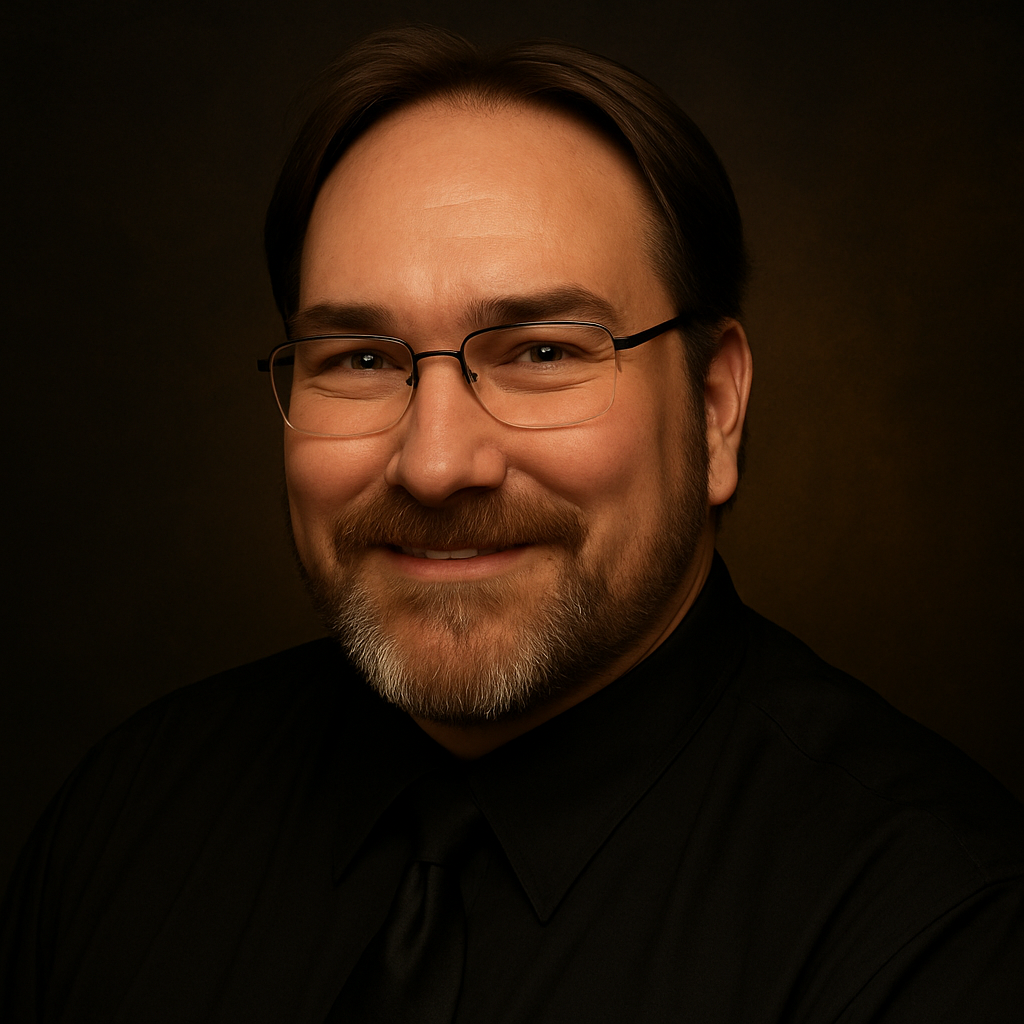
Author Spotlight Q&A
Where my worlds begin, how they take shape, and what guides the stories I write.
What draws you to dark, immersive storytelling across multiple genres?
I’m fascinated by the pressure points of fear, wonder, and human choice. Darkness—whether mythic, magical, or psychological—reveals truth. I gravitate toward stories where characters confront forces larger than themselves and discover who they are under that weight.
Do you build the world first, or the characters?
I always begin with the world—its laws, physics, history, and boundaries. Once the foundations exist, the characters arrive and test the edges of what’s possible. Story happens at the collision point between the two.
Your worlds feel deeply structured. What’s your guiding principle?
Continuity is sacred. Every universe has rules, and every rule must hold. From resonance physics in Elifdar to sigilcraft and Severance in the Solomon Arcanum, each system is self-contained. Structure creates immersion—and gives characters something real to push against.
How would you describe your writing style?
Cinematic and atmospheric. Mythic pacing. Character-forward. I write with movement and momentum—scenes that feel alive, worlds that feel vast, and consequences that echo long after the page turns.
Where do your ideas usually begin?
With a spark: a single moment, image, or contradiction. A silhouette on a bridge. A sigil that shouldn’t exist. A whisper in the dark. From there, the world grows outward, weaving structure around the original spark until story and purpose align.
Your drafting speed is unusually fast. How do you sustain that pace?
I write with clarity of direction. Before I begin a book, I build the architecture—world rules, character arcs, and thematic throughlines. Once the structure is defined, drafting becomes momentum. I don’t chase inspiration—I build systems that make inspiration inevitable.
Do your characters ever surprise you?
Always. I design their paths, but their choices—and how they respond to pressure—often reveal emotional truths I didn’t anticipate. The best moments come when a character refuses an easy answer and chooses something harder, deeper, or more honest.
What do you hope readers feel when they step into your worlds?
Transported. Whether it’s awe, dread, tension, or quiet wonder, I want readers to feel as though they’ve crossed a threshold into a living place—one that continues long after the final page.
Why do you work in so many genres—fantasy, horror, urban magic, speculative fiction?
Some stories demand a specific form. Some worlds require different physics. I don’t force an idea into the wrong shape. Each universe stands alone, with its own tone, rules, and architecture—but each expresses a different facet of the types of stories I love most.
What remains constant in everything you write?
Atmosphere. Precision. Emotional weight. High consequence. Boundaries that matter. Characters under pressure. And worlds that feel older than the story being told. No matter the genre, I write with the same intention: to pull readers into a place that feels unmistakably alive.